Rainwater Reuse/ Underground Cistern System
University of Pittsburgh | Sustainability-Focused Engineering Design Project
Problem
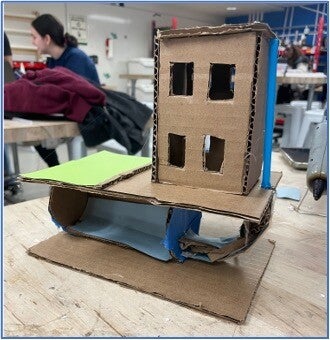
Urban campuses generate large amounts of stormwater runoff, much of which is not reused and instead contributes to drainage strain and wasted water resources. At the University of Pittsburgh, there is an opportunity to improve sustainability by capturing and reusing rainwater for non-potable applications such as landscaping and campus cleaning.
The challenge was to design a system that:
- Captures and stores rainwater efficiently
- Integrates into a campus environment
- Is safe, durable, and low-maintenance
- Supports long-term sustainability goals
My Role
I led the concept development and prototyping process for a rainwater reuse system as part of a semester-long engineering design project.
My responsibilities included:
- Researching rainwater collection and reuse systems
- Designing and building an initial physical prototype
- Gathering and analyzing feedback from peers and instructors with my team
- Iterating and improving the design based on feedback
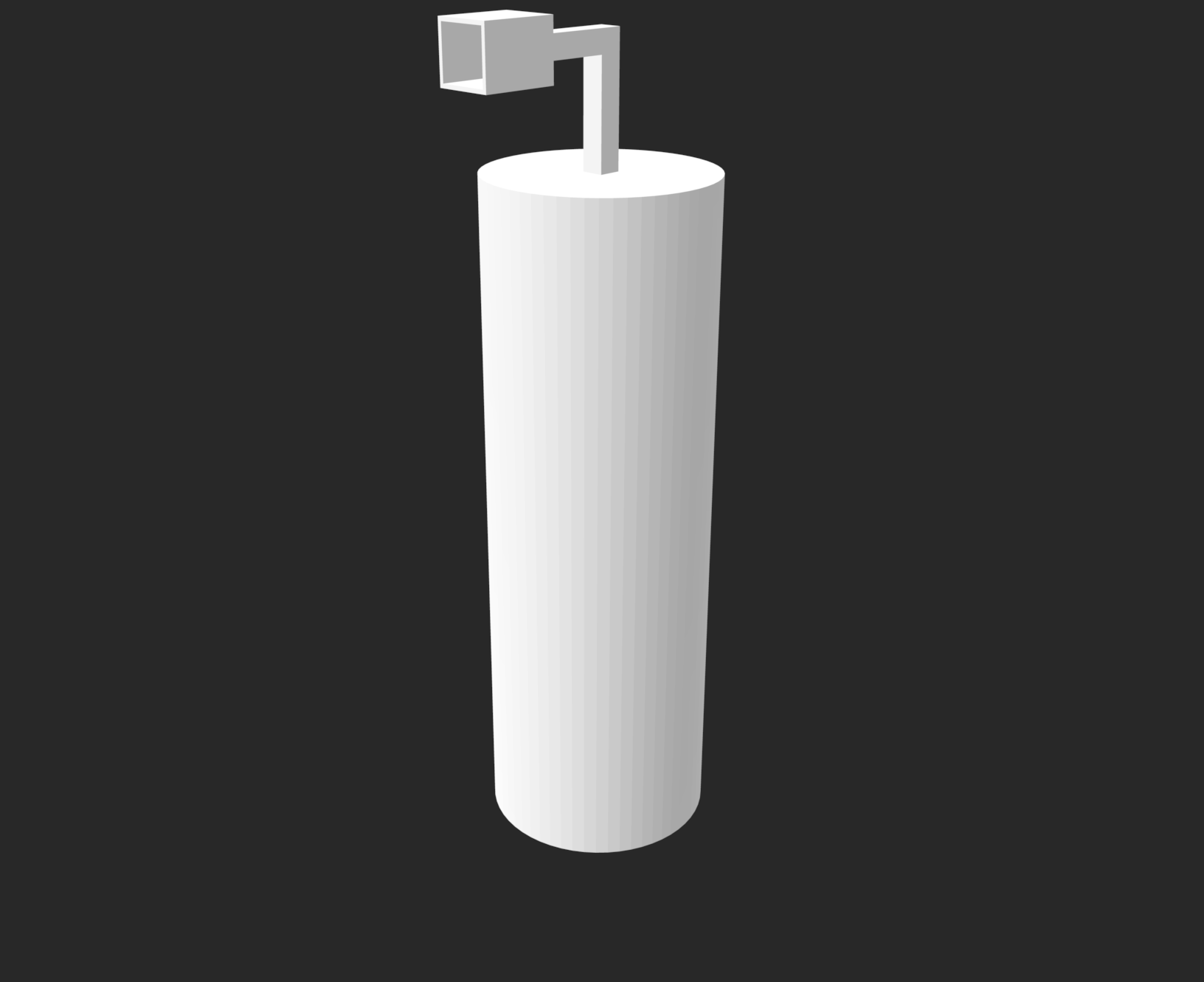
- Developing the final concept: an underground cistern storage system
Design Work
Initial Concept & Research
- Investigated existing rainwater harvesting systems and campus sustainability strategies
- Identified underground storage as a space-efficient and scalable solution
- Developed early sketches and system diagrams for water collection and storage flow
Prototype Development
- Built an initial physical model to represent system layout and functionality
- Focused on illustrating water collection pathways and storage structures
- Used the prototype to communicate design intent and system behavior
Iteration + Feedback
- Received feedback on the feasibility, clarity, and scalability of the design
- Identified improvements needed in structural design and system realism
- Refined concept to better represent an integrated underground cistern system
Final Design: Underground Cistern System
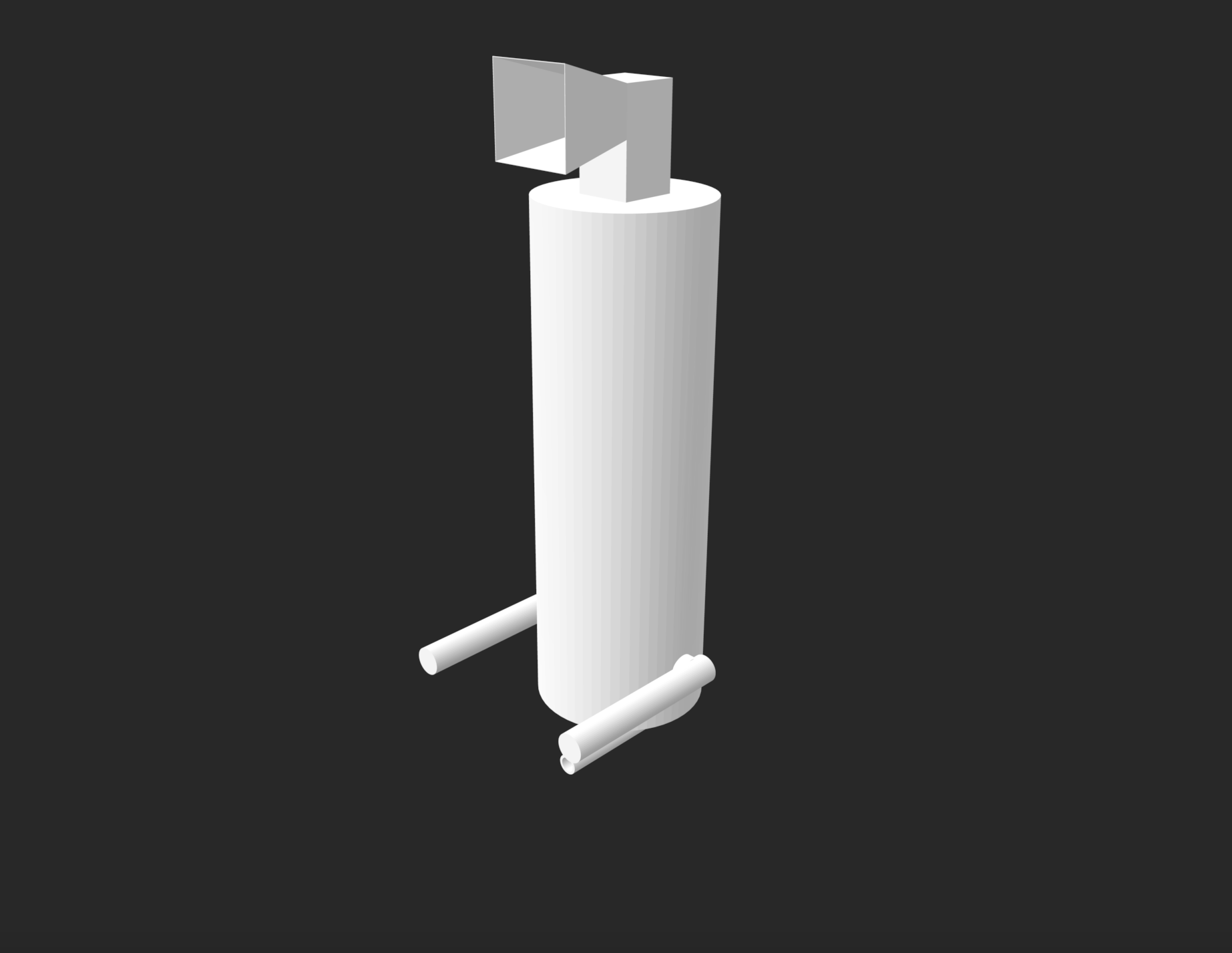
- Designed a revised system featuring an underground storage cistern on the University of Pittsburgh campus
- Improved spatial efficiency by placing storage below ground
- Refined system layout for better realism and implementation potential
- Focused on scalability and campus integration for long-term sustainability use
Outcome
This project strengthened my understanding of sustainable engineering design and iterative development. Through research, prototyping, and feedback, I learned how to refine an idea into a more realistic and functional system.
Key takeaways included:
- Importance of iteration in engineering design
- Balancing creativity with feasibility and real-world constraints
- Communicating ideas effectively through prototypes
- Applying sustainability principles to campus-scale systems
The final concept demonstrated how rainwater can be reused more effectively on campus through an underground cistern system designed for long-term environmental impact.
.
Create Your Own Website With Webador